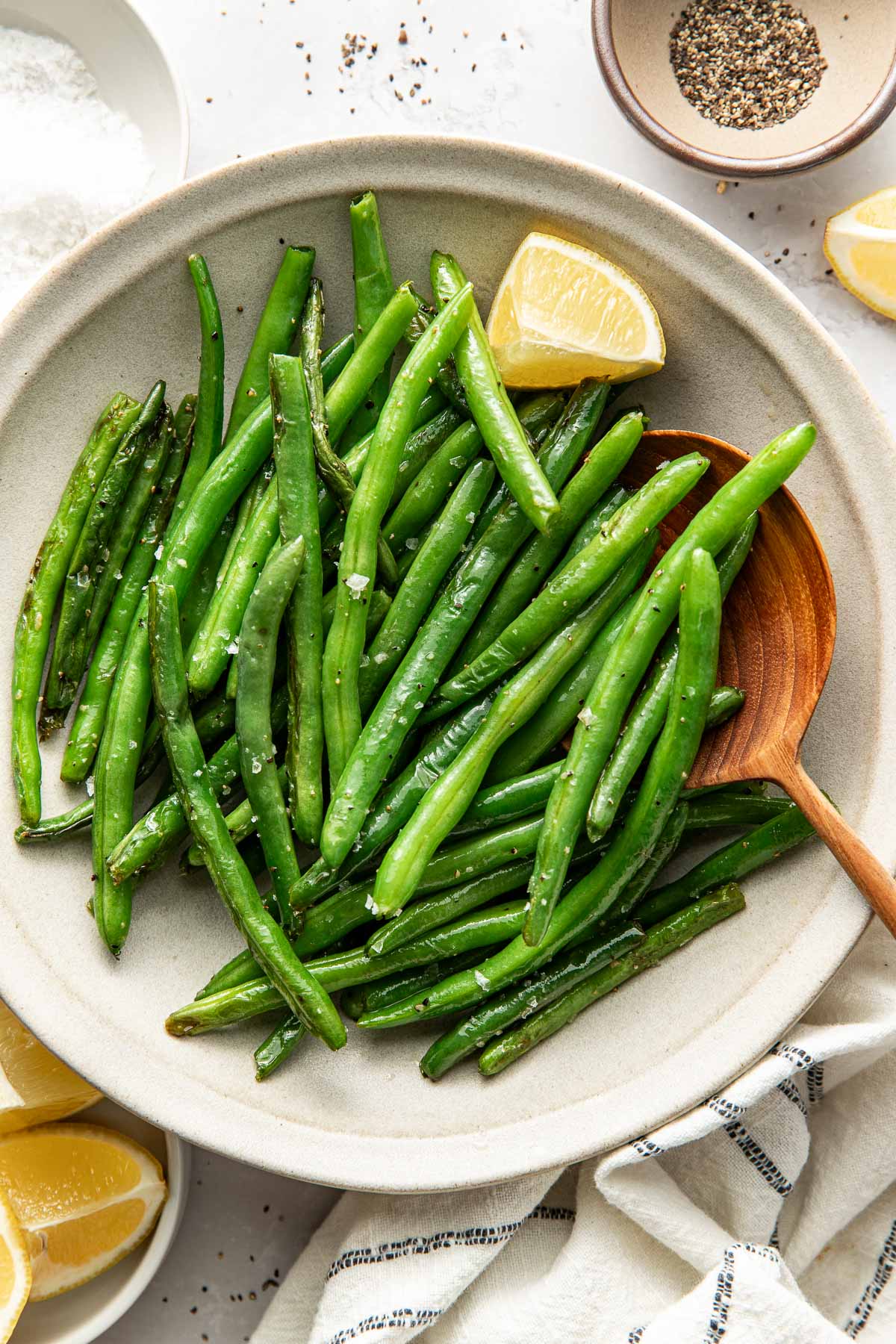
Upgrade Your Side Dish: Perfect Sautéed Green Beans in 15 Mins
Are you tired of bland, mushy green beans or waiting ages for them to roast? It's time to revolutionize your vegetable game! This guide will show you how to prepare perfectly
sauteed green beans in just 15 minutes, transforming a humble side dish into a vibrant, tender-crisp culinary delight. Forget everything you thought you knew about cooking "those green things" – with a simple skillet and a few key ingredients, you'll uncover a depth of flavor and texture that will make this dish a new family favorite.
Sautéing might just be the most underrated method for preparing fresh green beans. Unlike boiling or steaming, which can often result in waterlogged or insipid vegetables, sautéing enhances their natural sweetness and creates a lightly browned, caramelized exterior that's utterly irresistible. This isn't just a side dish; it's an experience. Get ready to elevate your meals with minimal effort and maximum flavor.
Why Sautéing is Your New Go-To Method for Green Beans
For many home cooks, the default methods for preparing green beans typically involve boiling, steaming, or perhaps roasting. While these methods have their place, sautéing offers a unique advantage that often goes unnoticed. The direct contact with a hot, oiled surface in a skillet allows for a beautiful caramelization, a process that simply doesn't occur with steaming or boiling. This browning isn't just for show; it deepens the flavor profile of the green beans, bringing out their inherent sweetness and adding a savory complexity that is truly addictive.
Moreover, sautéing delivers that coveted "crisp-tender" texture. Imagine a green bean that still has a satisfying snap when you bite into it, yet is perfectly cooked through and yielding. This balance is incredibly hard to achieve with other methods. Boiling can quickly turn them soft and bland, while steaming, though healthier, can lack the textural excitement. Roasting offers a different kind of texture – often softer and more shriveled – but it also typically requires a longer cooking time and a higher oven temperature. With sautéing, you achieve gourmet results in a fraction of the time, making it ideal for weeknight dinners or when you need a quick yet impressive side. If you're looking for an in-depth comparison of methods, our article on
Crisp-Tender Sautéed Green Beans: Better Than Boiled or Steamed provides even more insights into why this skillet method reigns supreme. It's truly amazing what a hint of butter and that lightly browned flavor can do to transform simple fresh green beans into something truly special.
The Non-Negotiable Ingredient: Fresh Green Beans
When it comes to crafting truly exceptional
sauteed green beans, there is one absolute, non-negotiable rule: you must use fresh green beans. This cannot be stressed enough. While convenience often dictates reaching for frozen or canned varieties, these simply will not yield the same superior results in a sauté pan. Frozen green beans contain too much moisture, which thaws and releases during cooking, effectively steaming rather than sautéing them. This leads to a soggy, limp texture and an inability to achieve that desirable caramelized exterior. Canned green beans, on the other hand, are already pre-cooked to an overly soft consistency, making them entirely unsuitable for a crisp-tender sauté.
To guarantee success, embark on a quest for the freshest possible green beans. Here's what to look for:
*
Color: Bright, vibrant green is a sign of freshness. Avoid beans that appear dull, yellowish, or spotted.
*
Texture: They should feel firm and snap cleanly when bent. Limp, rubbery, or withered beans are past their prime and will lack flavor and texture.
*
Smoothness: The surface should be smooth, not wrinkled or bumpy.
*
Thickness: Opt for petite or medium-sized green beans. Plump, thick green beans often indicate they are overgrown and tend to be tougher and less flavorful. They've essentially passed their peak stage of tenderness.
Using fresh green beans ensures that they can withstand the heat of the skillet, developing that perfect tender-crisp bite and absorbing the rich flavors you'll introduce. For a deeper dive into selecting the perfect produce for this dish, check out our guide on
Sautéed Green Beans: Fresh-Only Guide for Delicious Results. Remember, the quality of your main ingredient directly impacts the final deliciousness of your dish.
Mastering the Sauté: A Step-by-Step Guide for Perfection
Achieving perfectly
sauteed green beans is less about complex techniques and more about precise timing and high-quality ingredients. Here’s how to master this simple yet profound method:
1.
Prep Your Beans: Start by washing your fresh green beans thoroughly under cold water. Pat them dry completely with a clean kitchen towel or paper towels – excess moisture will hinder browning. Next, "top and tail" them, which means snapping or trimming off the stem ends and the very tip of the tail. For a more refined presentation, you can use a small knife.
2.
Heat Your Pan: Choose a large, heavy-bottomed skillet, such as cast iron or stainless steel. A larger pan allows the green beans to cook in a single layer without overcrowding, which is crucial for browning. Heat the pan over medium-high heat.
3.
Add Your Fat & Aromatics: Once hot, add a generous swirl of extra virgin olive oil and a tablespoon or two of unsalted butter. The combination offers both a high smoke point and rich flavor. As the butter melts and just begins to foam, add your aromatics. Finely minced shallots and garlic are classic choices, imparting a delicate sweetness and pungent depth. Sauté them for 30-60 seconds until fragrant, being careful not to burn the garlic.
4.
Introduce the Green Beans: Add the trimmed green beans to the hot skillet. Spread them out as much as possible to ensure even contact with the heat. Do not overcrowd the pan; if necessary, cook in batches.
5.
Sauté to Perfection: Cook the green beans, stirring occasionally, for 7-12 minutes. The exact cooking time will depend on the thickness of your beans and your desired level of tenderness. Thinner, petite beans will cook faster, while thicker ones will take longer. You're looking for a vibrant green color, slight charring or browning in spots, and a texture that is crisp-tender – still with a satisfying bite but no raw crunch.
6.
Season and Serve: Once cooked to your liking, remove the pan from the heat. Season generously with sea salt and freshly ground black pepper. A squeeze of fresh lemon juice at the end can brighten the flavors beautifully.
By following these steps, you'll create a side dish that's far from ordinary – bursting with flavor and boasting an irresistible texture that will have everyone reaching for more.
Elevate Your Plate: Flavor Variations & Serving Suggestions
While the classic combination of butter, garlic, and shallots produces simply divine
sauteed green beans, there's a world of flavor variations waiting to be explored. Don't be afraid to experiment and customize this quick side dish to perfectly complement your main course or personal preferences.
Creative Flavor Enhancements:
*
Nutty Crunch: Toasted nuts add a wonderful textural contrast and nutty aroma. During the last 2-3 minutes of sautéing, toss in a handful of slivered almonds, chopped pecans, or pine nuts. Toasting them briefly in the pan enhances their flavor.
*
Sweet & Spicy: For a touch of heat and a hint of sweetness, drizzle in a teaspoon of honey or maple syrup during the last minute of cooking, along with a pinch of red pepper flakes. This creates an exciting sweet-spicy dynamic.
*
Umami Boost: A splash of soy sauce or a dash of nutritional yeast can add a savory, umami depth that is surprisingly good with green beans. This works especially well if you're leaning towards an Asian-inspired meal.
*
Herbal Freshness: Stir in a tablespoon of fresh, finely chopped herbs like parsley, chives, thyme, or dill right before serving. A sprinkle of lemon zest also provides a bright, aromatic lift.
*
Asian Inspired: Replace extra virgin olive oil with sesame oil for a distinctive nutty aroma. Add a tiny bit of grated fresh ginger along with the garlic, and finish with a drizzle of soy sauce or tamari.
*
Cheese Please: A sprinkle of grated Parmesan cheese or crumbled feta over the hot green beans just before serving can add a salty, tangy kick.
Perfect Pairings:
Sautéed green beans are incredibly versatile and pair beautifully with a wide array of main dishes. They are a classic accompaniment to roasted chicken or turkey, grilled steak, pan-seared fish, or pork chops. They also lighten up heartier pasta dishes, complement risottos, and are a fantastic addition to a holiday spread. Their vibrant color and fresh taste make them a welcome counterpoint to richer, more indulgent entrees.
Pro Tips for Sautéed Green Bean Success & Storage
To ensure every batch of your
sauteed green beans is a triumph, keep these professional tips in mind:
*
The Fresher, The Better: As emphasized, fresh beans are non-negotiable. Always look for bright green, firm beans that snap easily. Avoid any that are dull, soft, or have blemishes.
*
Don't Overcrowd the Pan: This is a golden rule for sautéing. If you pile too many beans into the skillet, they will steam instead of brown, resulting in a less desirable texture. Cook in batches if necessary, or use a larger pan.
*
Adjust Cook Time for Texture: While 7-12 minutes is a general guideline, the exact cooking time will depend on the thickness of your beans and your personal preference. For a softer bean, cook them a minute or two longer. For an extra crisp bite, reduce the cooking time slightly.
*
Pat Them Dry: Before they hit the hot pan, ensure your green beans are thoroughly dry. Any residual water will cause splattering and prevent proper browning.
*
Experiment with Fats: While olive oil and butter are classic, consider other healthy fats like avocado oil or ghee for different flavor profiles and higher smoke points.
*
Leftovers: Sautéed green beans are best enjoyed immediately, as they can lose some of their crispness upon cooling. If you do have leftovers, store them in an airtight container in the refrigerator for up to 3-4 days. Placing a paper towel at the bottom of the container can help absorb excess moisture and prevent them from becoming too soggy.
*
Reheating: For best results, gently reheat leftovers in a skillet over medium heat with a tiny bit of oil or butter until warmed through, rather than microwaving, which can make them rubbery.
By adhering to these simple yet effective tips, you'll consistently achieve perfect, restaurant-quality sautéed green beans that are anything but boring.
Conclusion
In just 15 minutes, you can transform a humble vegetable into a show-stopping side dish that’s bursting with flavor and boasts an irresistible tender-crisp texture. Say goodbye to dull, boiled, or steamed green beans and embrace the magic of sautéing. This method, highlighted by the delicious combination of butter, garlic, and caramelized shallots, elevates green beans into a dish so good, even the pickiest eaters might ask for seconds. Remember, the secret lies in using only the freshest green beans and not being afraid to experiment with exciting flavor variations. So, the next time you're planning a meal, don't just serve green beans – upgrade them. Your taste buds, and your dinner guests, will thank you.