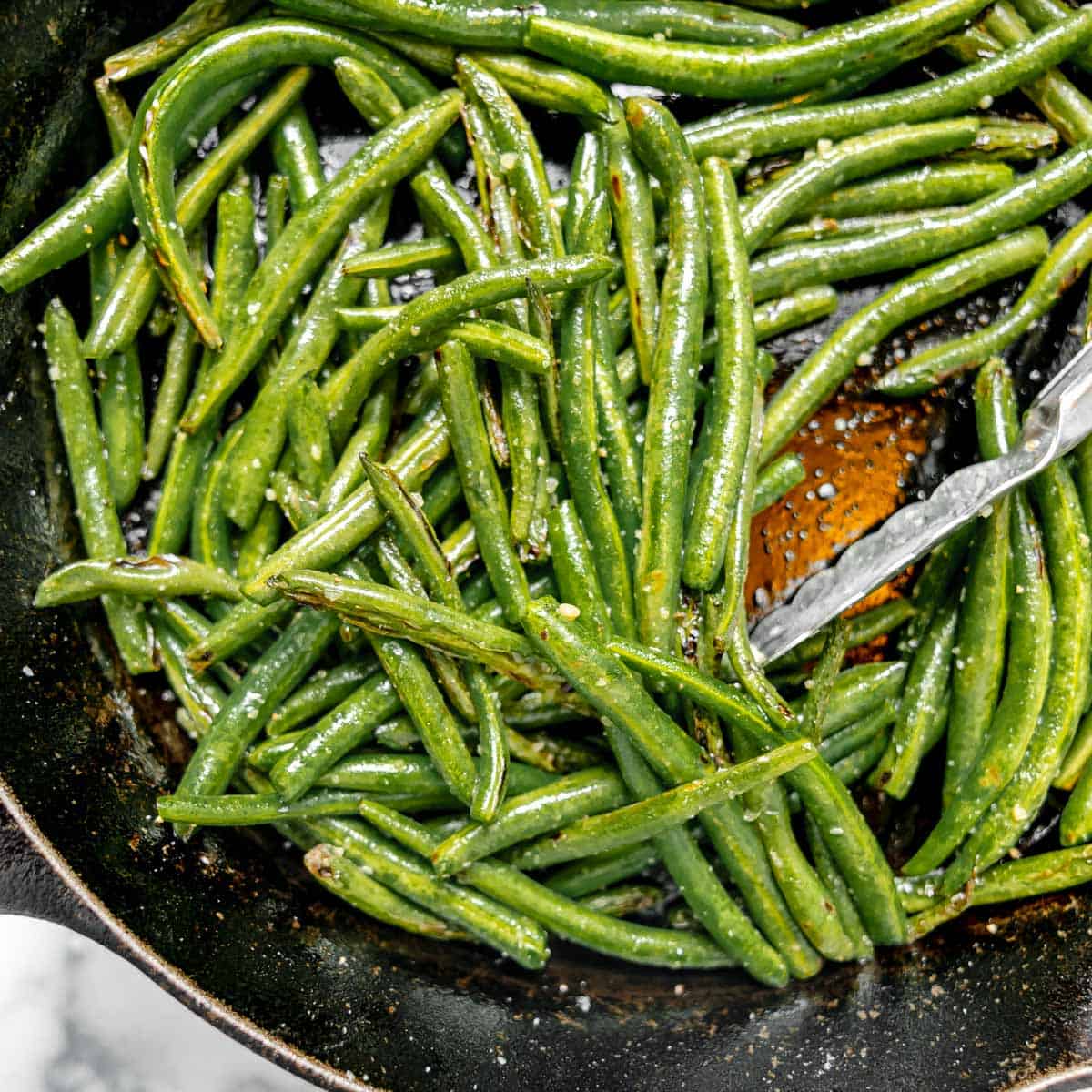
Unlock a world of vibrant flavor and irresistible texture with sautéed green beans. Forget bland, boiled, or over-steamed versions; the sauté method transforms this humble vegetable into a culinary star, a side dish so delicious it might just steal the show. Our guide focuses on one crucial principle: freshness is paramount. By adhering to a "fresh-only" approach, you’re not just cooking green beans, you’re crafting an experience – one that promises crisp-tender bites, buttery richness, and a depth of flavor that will make even the most vegetable-averse ask for seconds.
In a world full of convenience, we often gravitate towards pre-packaged options. However, when it comes to achieving truly exceptional sauteed green beans, compromising on freshness is a culinary misstep. This article will show you why choosing fresh beans is non-negotiable and how to prepare them to absolute perfection, ensuring every forkful is a testament to simple, delicious cooking.
The Unrivaled Magic of Sautéed Green Beans
While boiling, steaming, and roasting certainly have their place in the kitchen, sautéing elevates green beans to an entirely different league. The beauty of the skillet method lies in its ability to quickly cook the beans, developing complex flavors and textures that other techniques simply can't match. Within a mere 15 minutes, you can transform fresh green beans into a dish that's far from ordinary.
What makes sautéing so superior? It’s all about the Maillard reaction – the browning process that occurs when food comes into contact with hot oil or butter. This reaction creates hundreds of new flavor compounds, imparting that coveted nutty, caramelized taste that distinguishes truly delicious food. When you sauté green beans, you’re not just heating them; you’re unlocking layers of savory goodness, amplified by a hint of butter or a robust olive oil, often infused with aromatic garlic and shallots. The result is a vibrant green bean that's tender-crisp, boasting a delightful bite that contrasts beautifully with its rich, savory exterior.
This method offers incredible control over the final texture, allowing you to achieve that ideal "crisp-tender" sweet spot – where the beans are cooked through but still retain a pleasant snap. This isn't just a simple side; it's an upgrade to any meal, proving that everyday vegetables can indeed be extraordinary. For more insights on mastering this technique, read our article: Upgrade Your Side Dish: Perfect Sautéed Green Beans in 15 Mins. Discover why this quick skillet method is truly one of the best ways to prepare them, leaving you wondering why you ever cooked them any other way. For a deeper dive into why sautéing outshines other cooking methods for green beans, explore: Crisp-Tender Sautéed Green Beans: Better Than Boiled or Steamed.
Why Fresh is Non-Negotiable for Perfect Sautéed Green Beans
When it comes to achieving truly exemplary sauteed green beans, the decision to use only fresh produce isn't just a recommendation; it's a fundamental rule. Unfortunately, frozen or canned green beans simply will not yield the same delicious results, and attempting to substitute them can lead to significant disappointment. The reasons are rooted in their inherent characteristics:
- Moisture Content: Fresh green beans have a naturally crisp, firm structure with balanced moisture. Frozen beans, however, contain a high amount of ice crystals. When thawed or introduced to a hot pan, this excess moisture rapidly releases, effectively steaming the beans instead of allowing them to sauté and brown properly. This prevents the development of those crucial caramelized flavors and textures we desire. Canned beans are even worse, packed in brine, making them waterlogged and mushy from the start.
- Texture Integrity: Fresh green beans offer a satisfying snap and a firm, vibrant core. Frozen green beans, having undergone a blanching process before freezing, are already partially cooked and considerably softer. Canned beans are typically cooked to a very soft consistency to extend shelf life. Neither of these states can achieve the desired crisp-tender texture that defines perfectly sauteed green beans. They will quickly turn limp and mushy, lacking any delightful bite.
- Flavor Profile: The natural, bright, and slightly earthy flavor of fresh green beans is unparalleled. Frozen beans often have a muted taste, and canned beans can carry a metallic or overly salty flavor from their preservation method, masking the fresh vegetable's natural goodness.
To summarize, if you want your sauteed green beans to be truly tender-crisp, beautifully browned, and bursting with fresh flavor, committing to fresh green beans is the only path to culinary success. There are no shortcuts here that don't compromise the dish's quality.
Selecting the Best Fresh Green Beans: Your Foundation for Flavor
The success of your sauteed green beans begins long before they hit the pan – it starts at the grocery store or farmer's market. Choosing the freshest, highest-quality beans is crucial for achieving that irresistible crisp-tender texture and vibrant flavor. Here’s what to look for:
- Color and Appearance: Opt for green beans that are a vivid, bright green. Avoid any with dull, spotted, or yellowish areas, which are signs of age or bruising. They should look fresh and lively.
- Firmness and Snap: Gently bend a bean. It should be firm and snap crisply when broken, not bend or feel rubbery. This "snap test" is your best indicator of freshness and internal moisture content.
- Smoothness: The surface of the beans should be smooth and taut, not wrinkled or withered. Wrinkles indicate dehydration and an older bean that will be less flavorful and textural.
- Size Matters: Seek out petite or medium-sized green beans. These tend to be more tender and less fibrous. Avoid overly plump, thick beans; these are often past their prime, indicating they've overgrown and developed a tougher, stringier texture and more prominent seeds, which can detract from the eating experience.
- Absence of Blemishes: Check for any soft spots, mold, or brown tips. These are all indicators that the beans are no longer at their peak freshness.
By carefully selecting your fresh green beans using these guidelines, you ensure you're starting with the best possible ingredients, setting the stage for truly spectacular sautéed results. Remember, the quality of your raw ingredients directly translates to the quality of your finished dish.
Mastering the Sauté: Tips for Crisp-Tender Perfection
Once you have your pristine fresh green beans, the sautéing process itself is remarkably straightforward, yet it benefits from a few key techniques to achieve that perfect crisp-tender bite and a delicious golden-brown char. Here’s how to master it:
- Preparation is Key: Wash your green beans thoroughly and trim off the tough stem ends. You can either snap them off by hand or use a knife. For visual appeal, many prefer to leave the tiny tail end intact, but it's purely optional. Ensure the beans are as dry as possible after washing; excess water will cause them to steam rather than sauté.
- Preheat Your Pan: Use a large skillet, preferably cast iron or stainless steel, that can accommodate the beans in a single layer. Heat your chosen fat (olive oil, butter, or a combination) over medium-high heat until shimmering. A hot pan is crucial for achieving proper browning quickly.
- Don't Crowd the Pan: This is vital! If you overcrowd the skillet, the temperature will drop, and the beans will release moisture and steam instead of browning. Cook in batches if necessary.
- Initial Sauté: Add the green beans to the hot pan in a single layer. Let them cook undisturbed for a few minutes to allow browning to develop. Then, toss them periodically. You'll notice bright green color intensifying and some spots turning lightly golden brown.
- Achieving Crisp-Tender: Cook time will vary based on the thickness of your beans and your desired tenderness. Generally, 5-8 minutes is sufficient for that ideal crisp-tender texture – cooked through but still with a slight bite. If you prefer softer beans, simply cook them a minute or two longer, but be careful not to overcook to mushiness.
- Introduce Aromatics (Timing is Everything): If adding minced garlic or thinly sliced shallots, incorporate them during the last 2-3 minutes of cooking. Adding them too early risks burning, which can turn their flavor bitter.
- Season Generously: Finish with a good sprinkle of salt and freshly ground black pepper. Taste and adjust as needed. A squeeze of fresh lemon juice at the very end can brighten all the flavors.
By following these steps, you'll consistently produce sauteed green beans that are not only perfectly cooked but also bursting with savory flavor and delightful texture.
Elevate Your Sautéed Green Beans: Flavor Enhancements and Variations
While classic sauteed green beans with butter and garlic are undeniably delicious, there's a world of flavor enhancements you can explore to customize this versatile side dish:
- Aromatics: Beyond garlic and shallots, consider finely diced onion or a pinch of dried onion powder for a deeper, more savory base.
- Fats: Experiment with different oils. Extra virgin olive oil offers a fruity, peppery note, while clarified butter (ghee) provides pure buttery richness without burning. A touch of toasted sesame oil added at the very end can impart an exotic, nutty aroma.
- Herbs: Fresh herbs add a burst of freshness and complexity. Try finely chopped thyme, rosemary, or marjoram added with the garlic, or stir in fresh parsley or chives at the very end.
- Acidity: A splash of fresh lemon juice, a drizzle of balsamic glaze, or a tiny bit of red wine vinegar can brighten the flavors and cut through the richness of butter.
- Sweetness & Spice: For a hint of sweetness, a tiny drizzle of honey or maple syrup can be added towards the end of cooking. If you like a kick, a pinch of red pepper flakes sautéed with the garlic, or a dash of your favorite hot sauce, will do the trick.
- Nuts: Toasted nuts add fantastic crunch and nutty flavor. Almonds (sliced or slivered), pine nuts, or chopped pecans can be added to the pan during the last few minutes of sautéing to lightly toast, or simply sprinkled over the finished dish.
- Cheese: A light dusting of finely grated Parmesan cheese, Pecorino Romano, or even nutritional yeast can add a savory, umami finish.
- Umami Boost: A dash of soy sauce or a teaspoon of white miso paste (diluted with a little water) can add incredible depth, especially if you're skipping butter.
Don't be afraid to mix and match these ideas to create your signature version of sauteed green beans!
Storage and Reheating Sautéed Green Beans
While sauteed green beans are undeniably at their best when served immediately, fresh from the pan, you might find yourself with leftovers. It's important to note that they can lose some of their crisp-tender texture and become a bit softer or even soggy upon cooling. However, with proper storage, you can still enjoy them later.
To store, allow the green beans to cool completely before transferring them to an airtight container. For best results, place a paper towel at the bottom of the container to absorb any excess moisture, helping to mitigate sogginess. Store in the refrigerator for up to 3-4 days.
When reheating, avoid the microwave if possible, as it tends to make them even softer. The best method is to reheat them gently in a skillet over medium heat with a tiny bit of oil or butter until warmed through. This can help re-crisp them slightly. Alternatively, spread them on a baking sheet and reheat in a preheated oven at 350°F (175°C) for 5-7 minutes.
Mastering sauteed green beans is a testament to the power of simple, fresh ingredients and proper technique. By choosing only the freshest green beans and applying the quick skillet method, you unlock a depth of flavor and a delightful texture that elevates this everyday vegetable into a crave-worthy side dish. From the satisfying snap of a crisp-tender bean to the rich, buttery, and caramelized notes, this cooking method proves that exceptional results don't require complicated recipes or exotic ingredients. So, embrace the fresh-only philosophy, sharpen your sautéing skills, and prepare to impress your taste buds with truly delicious green beans every time.
