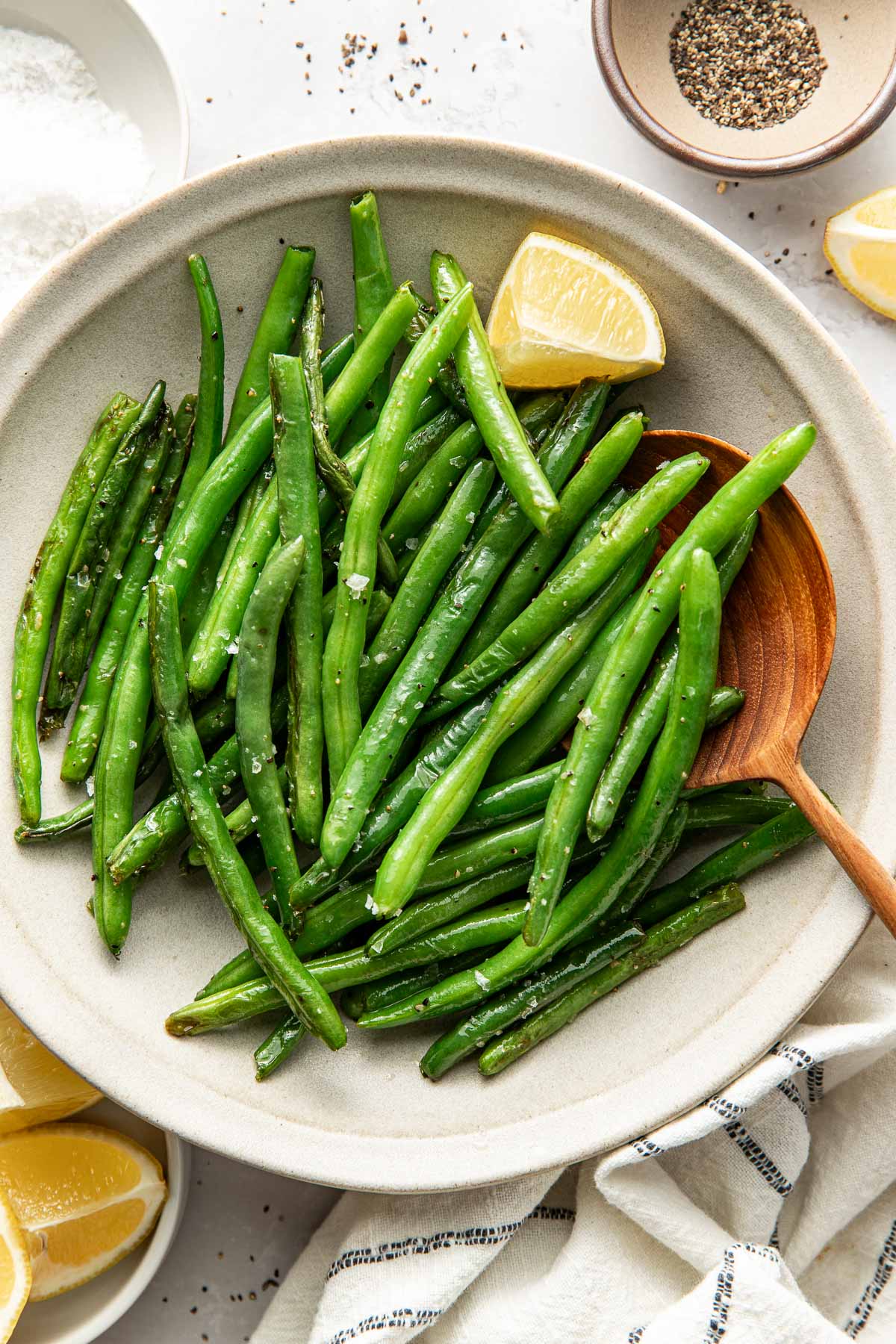
Crisp-Tender Sautéed Green Beans: Better Than Boiled or Steamed
For too long, green beans have been relegated to the realm of the mundane, often served boiled until limp and bland, or steamed to an uninspired pale green. While these methods are simple, they rarely do justice to this versatile and healthy vegetable. It's time to champion a superior cooking technique that elevates green beans from a forgettable side dish to a star attraction: sautéing. Prepare to discover the vibrant flavor, irresistible texture, and sheer culinary delight of perfectly sauteed green beans – a revelation that will forever change the way you think about these humble "green things."
The Magic of Sautéing: Unlocking Flavor and Texture
What makes sautéing so transformative compared to its watery counterparts? It's all about direct heat, a touch of fat, and the incredible chemical reactions they facilitate. Unlike boiling or steaming, which leach out flavors and often result in a mushy texture, sautéing introduces a world of culinary wonders:
- The Maillard Reaction: This is the secret weapon of sautéing. The direct contact with a hot pan and fat causes the natural sugars and proteins on the surface of the green beans (and any aromatics like shallots or garlic) to caramelize and brown. This browning creates hundreds of new flavor compounds, lending a depth and complexity that boiled or steamed beans simply cannot achieve. That lightly browned, almost nutty taste is pure magic.
- Perfect Crisp-Tender Texture: Sautéing allows for precise control over the texture. You can achieve that coveted "crisp-tender" bite – where the beans are cooked through but still retain a pleasant snap and vibrant green hue. They're not raw, but they're certainly not soft or stringy. This delightful chewiness is a stark contrast to the often-soggy outcome of other methods.
- Flavor Infusion: Cooking in butter, olive oil, or a combination not only aids in browning but also acts as a carrier for flavor. The beans absorb the richness of the fat, along with the aromatic essences of garlic, shallots, or herbs you might add. This results in a truly harmonious and delicious experience that makes you wonder, "Who knew green beans could be so good?"
Best of all, this incredible upgrade doesn't require hours in the kitchen. Perfectly sauteed green beans can be on your table, crisp-tender and ready to impress, in under 15 minutes. It’s truly the perfect side dish for busy weeknights or elegant dinner parties alike.
Choosing Your Green Beans: Fresh is Non-Negotiable
When it comes to achieving outstanding results with sauteed green beans, the quality of your primary ingredient is paramount. This isn't a recipe where you can cut corners by reaching for frozen or canned varieties. Here's why fresh is the only way to go:
- Moisture Content: Frozen and especially canned green beans contain an excess of moisture. This moisture prevents proper browning and caramelization, turning your sauté into more of a steam, leading to soft, rather than crisp-tender, results. They simply don't have the structural integrity to hold up to the sautéing process.
- Texture and Integrity: Fresh green beans have a natural firmness and snap that is essential for that perfect crisp-tender bite. Frozen beans tend to be softer from the blanching process, and canned beans are notoriously limp and mushy.
- Flavor Profile: Fresh green beans boast a bright, earthy flavor that comes alive with sautéing. Preserved versions often have a duller taste that no amount of butter or garlic can truly rescue.
Tips for Selecting the Best Fresh Green Beans:
To ensure your Sautéed Green Beans: Fresh-Only Guide for Delicious Results are a success, look for:
- Vibrant Color: They should be a bright, lively green, not dull or yellowish.
- Smooth Skin: Avoid any that are spotted, bruised, or shriveled. A healthy bean has taut, unblemished skin.
- Firmness and Snap: A truly fresh green bean will feel firm to the touch and snap cleanly when bent, rather than bending limply.
- Ideal Thickness: Opt for petite or medium-sized green beans. Plump, thick beans tend to be older, tougher, and less flavorful, having grown past their prime. Thinner beans also cook more quickly and evenly.
Once selected, give your beans a good wash and snap off the stem ends (the tail end is optional, but often removed for presentation). Ensure they are thoroughly dry before they hit the pan – excess water will cool the pan and prevent browning.
Mastering the Sauté: Tips for Perfect Crisp-Tender Results
Achieving restaurant-quality sauteed green beans at home is surprisingly simple once you understand a few key techniques. Here’s how to ensure every batch is a triumph:
Essential Equipment:
- Large Skillet: A heavy-bottomed skillet, such as cast iron or stainless steel, is ideal. It retains heat well and provides a consistent cooking surface. Ensure it's large enough so you don't overcrowd the pan, which can lead to steaming rather than sautéing.
The Sautéing Process:
- Heat and Fat: Begin by heating your skillet over medium-high heat. Add your chosen fat – typically butter, olive oil, or a blend of both. Butter adds incredible flavor and browning, while olive oil helps prevent the butter from burning. Ensure the fat is shimmering but not smoking before adding your beans.
- Initial Sauté: Add the dried, trimmed green beans to the hot pan. Spread them out in a single layer as much as possible. Resist the urge to stir constantly; allow the beans to develop some beautiful char marks on one side before tossing them. This focused contact with the heat is crucial for the Maillard reaction.
- Aromatics (Timing is Key): If you’re adding aromatics like minced garlic or thinly sliced shallots, incorporate them a few minutes into the cooking process, after the beans have had a chance to start browning. Adding them too early risks burning them before the beans are ready. Sauté together until fragrant.
- Seasoning: A generous pinch of salt and freshly cracked black pepper are your foundational seasonings. Add them during cooking to help draw out moisture and infuse flavor.
- Achieving Crisp-Tender: Cook time will vary slightly based on the thickness of your beans and your preferred level of tenderness. Generally, 7-10 minutes is sufficient. You want the beans to be bright green, slightly softened but still with a satisfying bite. Don't be afraid to taste as you go! If you prefer them softer, simply cook a minute or two longer.
Elevate Your Dish with Delicious Variations:
While a simple preparation of butter, garlic, and shallots is divine, Upgrade Your Side Dish: Perfect Sautéed Green Beans in 15 Mins with these ideas:
- Nutty Crunch: Add toasted slivered almonds, pine nuts, or chopped pecans during the last few minutes of cooking for extra texture and flavor.
- Sweet & Spicy: A drizzle of honey for a hint of sweetness or a pinch of red pepper flakes for a warming kick can dramatically change the profile.
- Bright & Zesty: A squeeze of fresh lemon juice or a splash of apple cider vinegar at the very end brightens the flavors and adds a welcome tang.
- Herbaceous Freshness: Fresh herbs like chopped parsley, chives, or thyme stirred in just before serving lend an aromatic finish.
- Umami Boost: A dash of soy sauce or a sprinkle of nutritional yeast can add savory depth.
- Different Fats: Experiment with sesame oil for an Asian-inspired twist, or bacon fat for a smoky richness.
Beyond the Plate: Nutritional Perks and Storage
Beyond their incredible taste, sauteed green beans offer a healthy dose of vitamins and fiber, making them a nutritious addition to any meal. They're a fantastic way to get "those green things" onto everyone's plate, perhaps even converting the vegetable skeptics!
While best enjoyed fresh from the pan, leftovers can be stored. Place cooled sautéed green beans in an airtight container with a paper towel at the bottom (to absorb any excess moisture) in the refrigerator for up to 3-4 days. Be aware that the crisp-tender texture may soften upon reheating. For best results, gently warm them in a dry skillet over medium heat for a few minutes until heated through, rather than microwaving, which can make them rubbery.
Say goodbye to soggy, bland green beans and embrace the irresistible charm of the sauté. With their crisp-tender bite, savory depth, and quick cooking time, sauteed green beans are not just a side dish; they're a culinary revelation. This simple yet sophisticated method transforms an everyday vegetable into an extraordinary experience, proving that sometimes, the simplest techniques yield the most spectacular results.
